
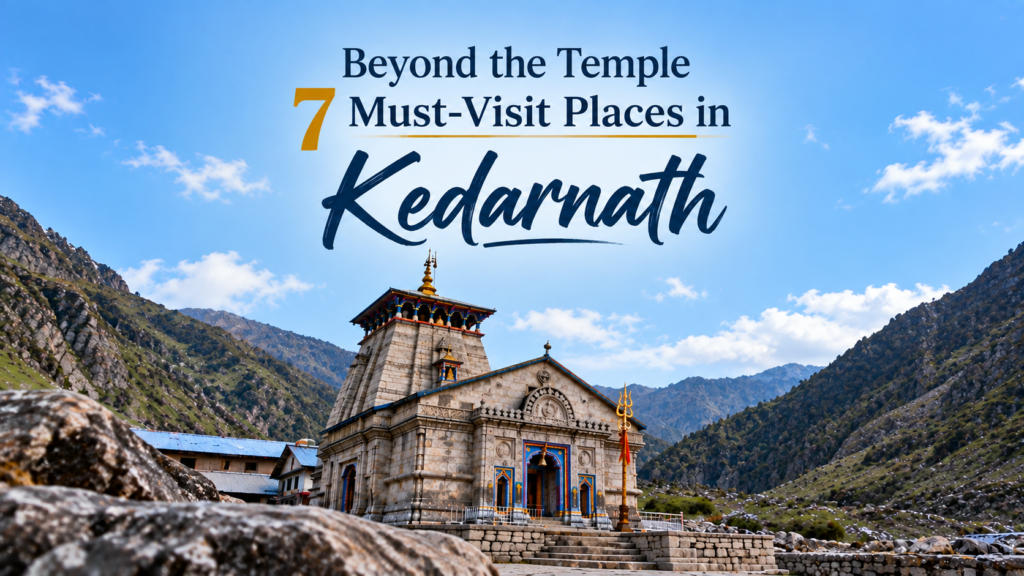
Most people arrive in Kedarnath with one goal: darshan at the temple. And rightly so it’s the reason the whole journey exists. But if you only see the temple and head straight back, you’re missing a big part of what makes this region so special.
The Kedarnath valley is dotted with glacial lakes, ancient temples, and quiet mountain towns that most pilgrims walk past without a second glance either because they don’t know about them, or because they’ve timed their trip too tightly to explore. If you have even a day or two of flexibility, these seven places are well worth the extra effort.
1. Gandhi Sarovar (Chorabari Tal)
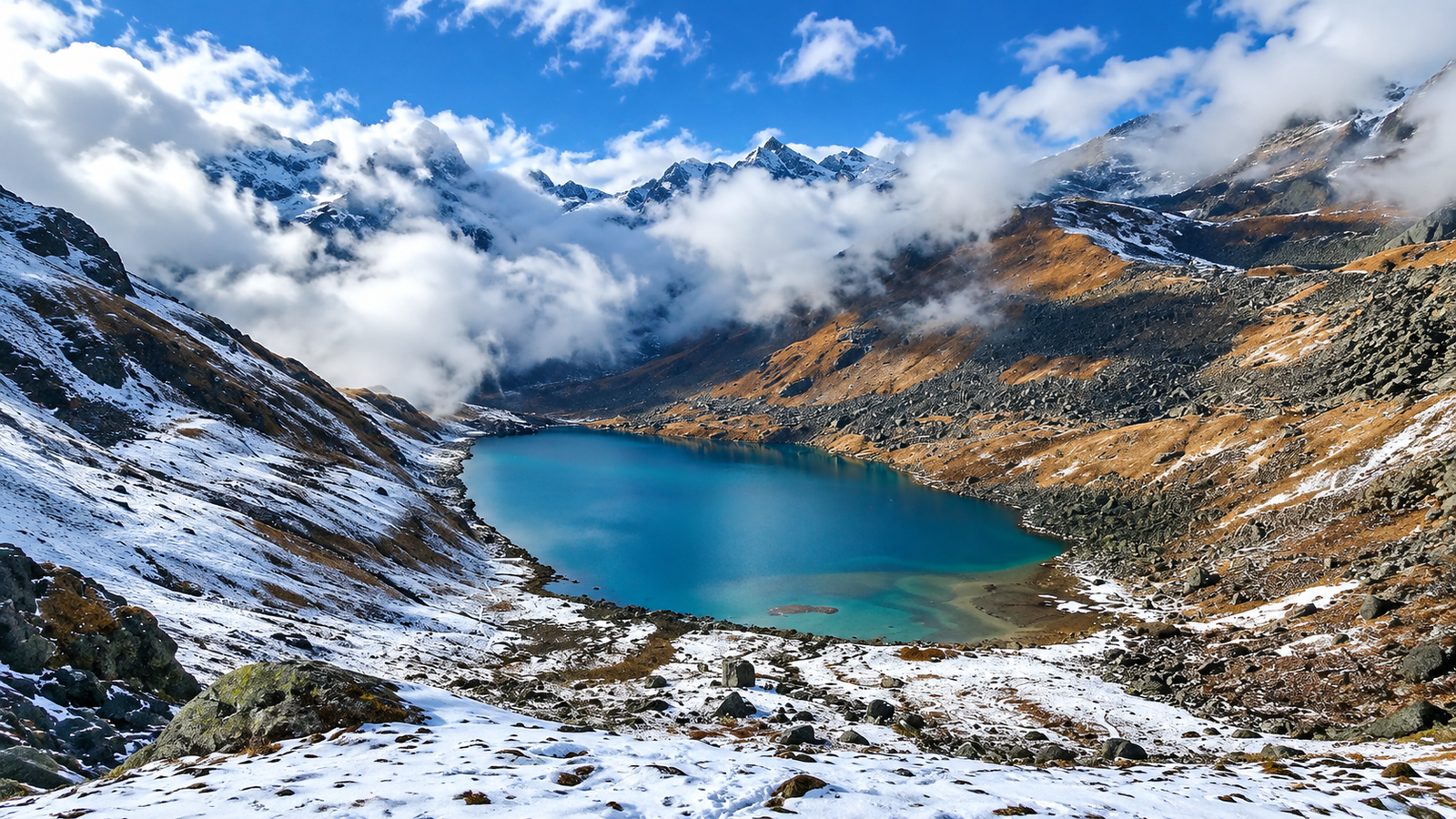
Just about 3 km from the main temple, Gandhi Sarovar is a small glacial lake sitting at the foot of the Chorabari glacier. The walk there isn’t technically difficult, but it does involve a fairly steep climb, so give yourself a couple of hours.
What makes this spot special is the stillness of it. On a clear day, the lake reflects the surrounding peaks almost like a mirror, and the crowd here is a fraction of what you’ll find at the temple. The lake also carries historical weight Mahatma Gandhi’s ashes were immersed here in 1948, which is how it got its name (its older, local name is Chorabari Tal).
Good to know: Best attempted early morning before the weather turns. Carry warm layers even in peak summer wind at this altitude bites.
2. Vasuki Tal
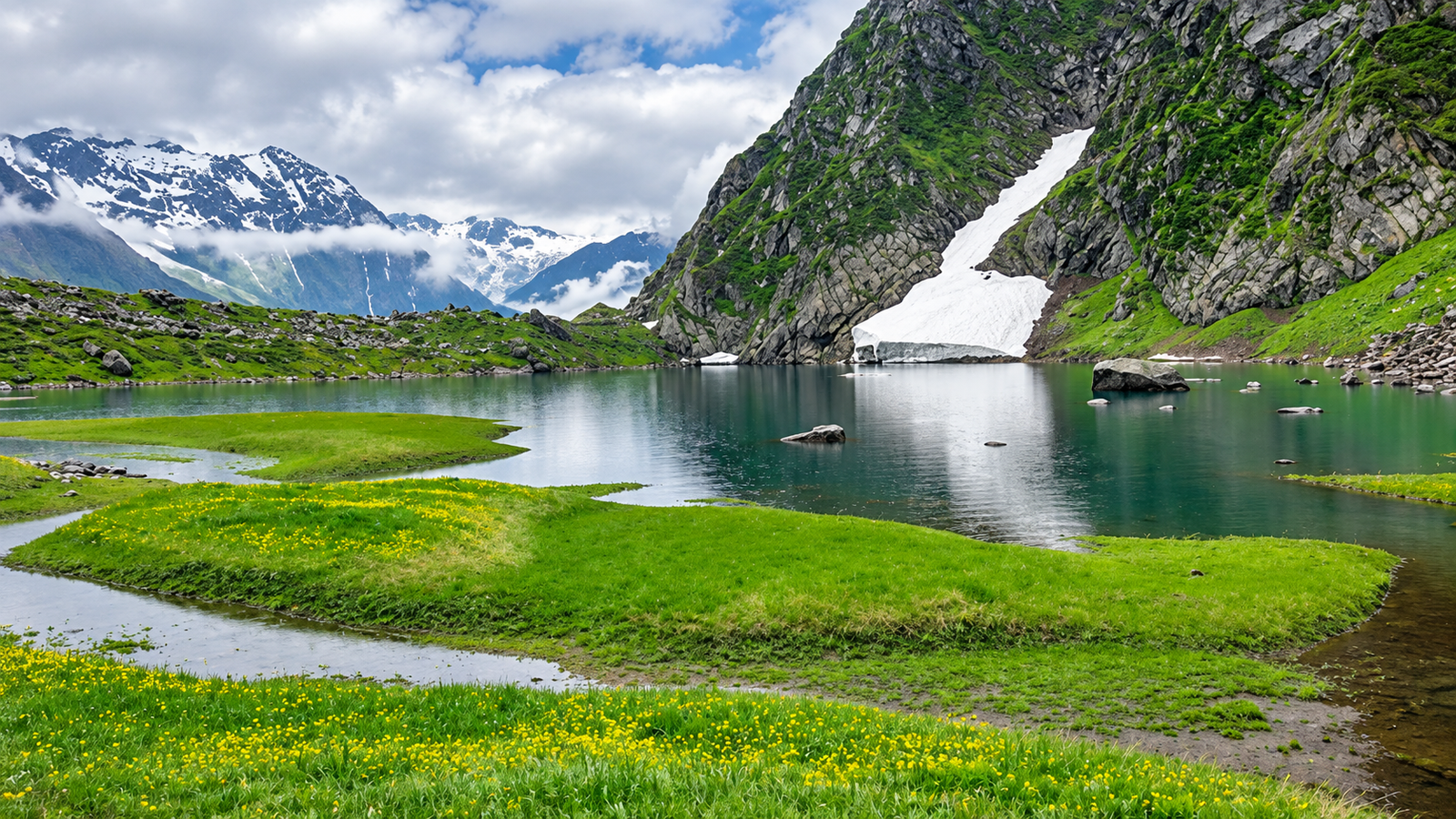
If Gandhi Sarovar felt too easy and you’re looking for something with a bit more adventure, Vasuki Tal is the next step up. It’s roughly 8 km from Kedarnath, sitting at an altitude of over 4,100 metres, and the trek there takes you through meadows, rocky trails, and glacier views that genuinely rival anything else in the region.
According to local legend, this is where Lord Vishnu is said to have bathed, which gives the lake a quiet spiritual significance beyond its obvious natural beauty. Serious trekkers and photographers tend to make a special trip just for this the reflection of the Chaukhamba peaks in the lake’s still water is the kind of view that doesn’t translate fully in photos.
Good to know: This is a full-day trek and physically demanding. It’s best suited to trekkers who are already acclimatized, not a casual add-on to your temple visit.
3. Bhairavnath Temple
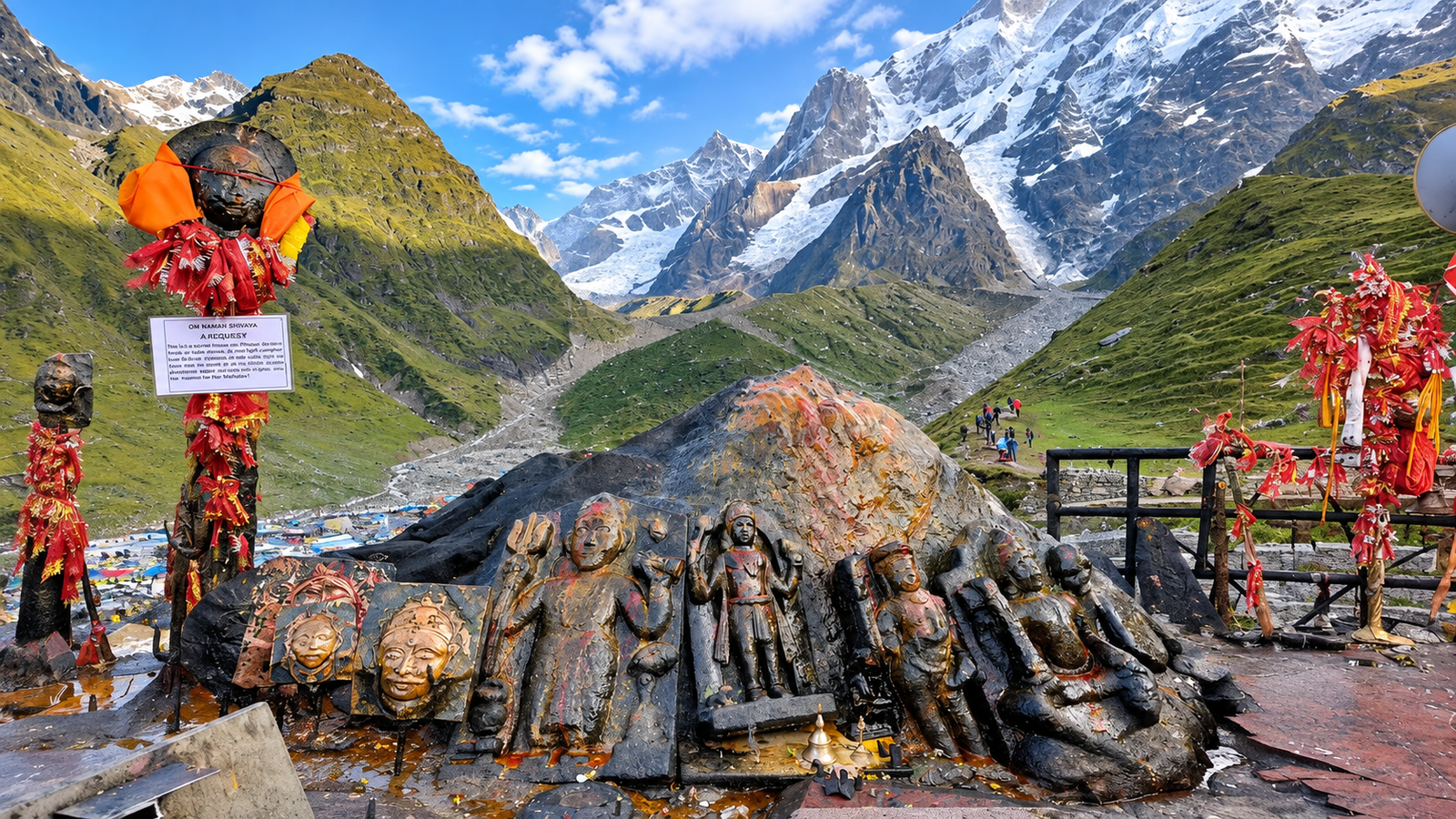
A short walk from the main Kedarnath temple complex, uphill toward the ridge, sits the Bhairavnath Temple dedicated to Bhairav, considered the guardian deity of Kedarnath. Local belief holds that Bhairav watches over the temple and the town during the winter months when the main shrine is closed and the idol is moved to Ukhimath.
Beyond its religious importance, this is simply one of the best viewpoints in the area. From here, you get a sweeping look at the entire Kedarnath valley, the temple below, and the mountains that ring the town. It’s a quick detour most people can walk up and back in under an hour but it’s consistently one of the most memorable stops for visitors precisely because so few people make time for it.
Good to know: Go around sunset if your schedule allows. The light on the valley at that hour is worth the climb on its own.
4. Triyuginarayan Temple
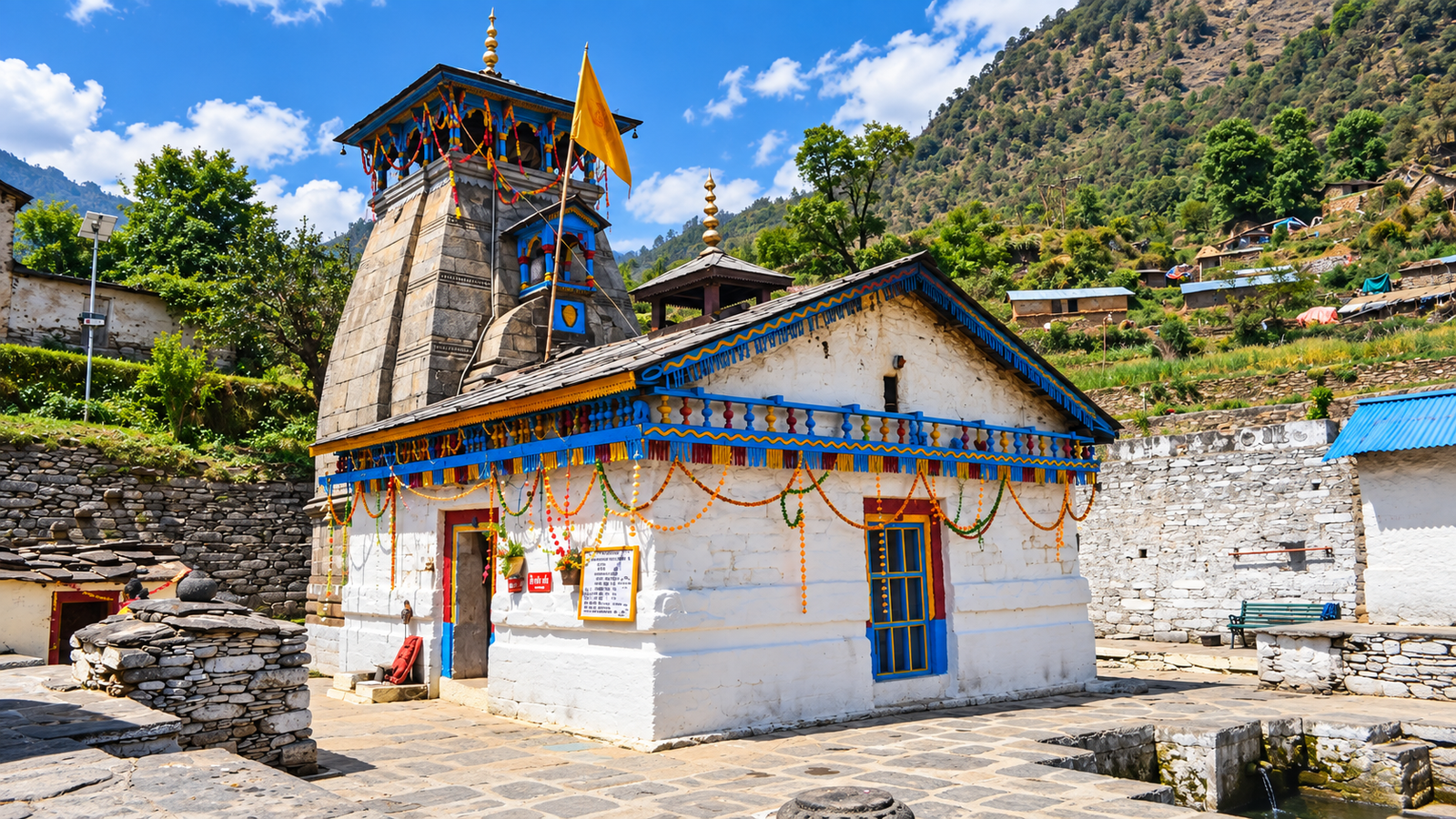
A little further from Kedarnath itself, en route from Sonprayag, Triyuginarayan Temple holds a story that makes it stand out from every other stop on this list: this is believed to be the site where Lord Shiva and Goddess Parvati were married, with Lord Vishnu himself acting as the divine witness.
What makes the temple genuinely unique is the eternal flame burning in front of the sanctum locals say it has been alight since the wedding itself, tended continuously for generations. The temple sits in a small, unhurried village, and the atmosphere here feels distinctly different from the intensity of Kedarnath quieter, older, more folk than grand.
Good to know: It’s an easy stop to combine with your journey toward or from Sonprayag, so it doesn’t need a separate day.
5. Sonprayag
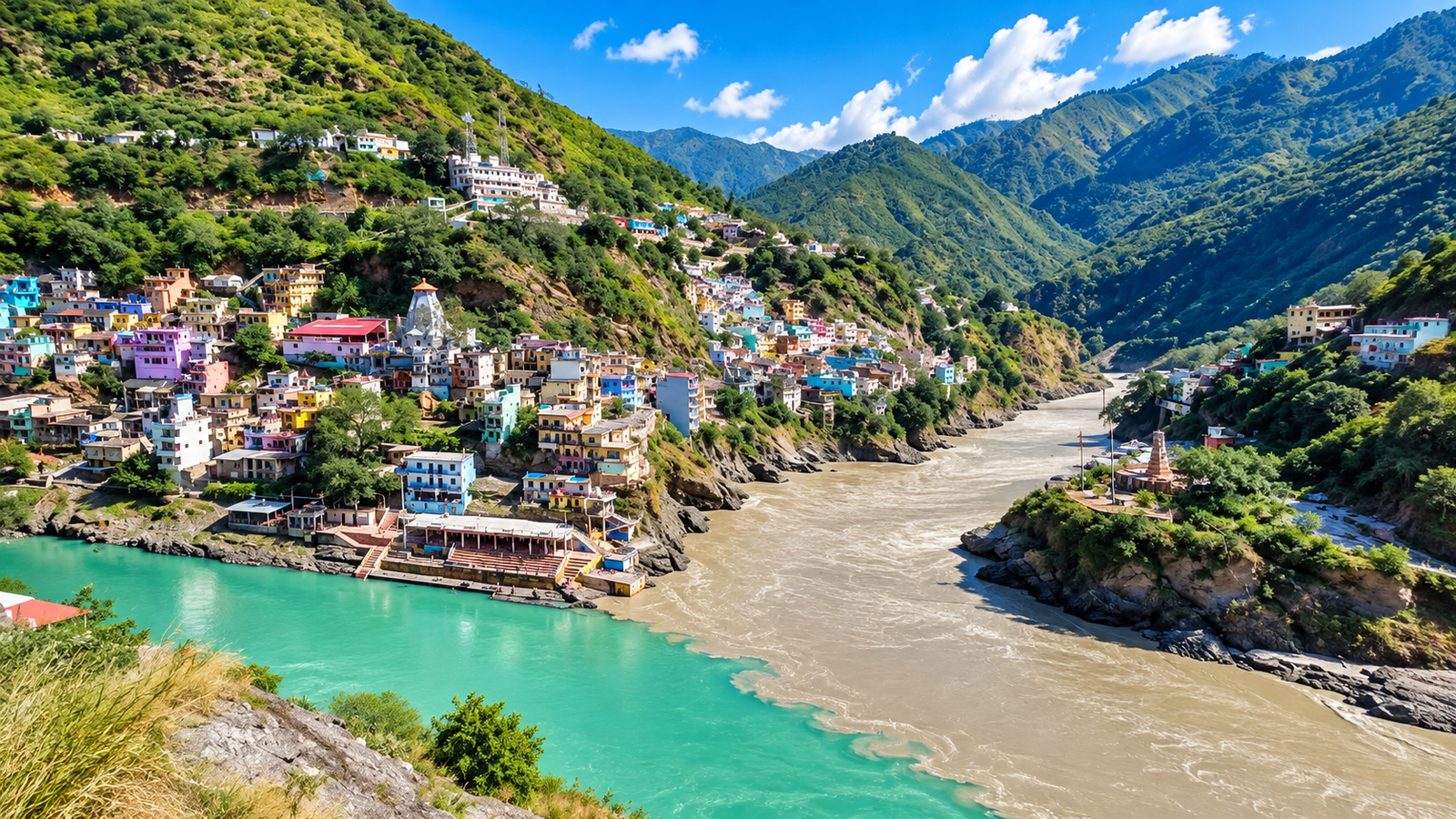
Sonprayag is technically a transit point most pilgrims pass through it on the way to Gaurikund but it deserves more than a passing glance. This is where the Mandakini and Basuki rivers meet, and the confluence is considered sacred, with many pilgrims taking a ritual dip here before continuing their journey.
Even if you’re not stopping for the religious side of it, Sonprayag is a good place to pause. The sound of the two rivers meeting, the surrounding hills, and the general slower pace of the town make it a natural breather before the trek ahead.
Good to know: This is also where private vehicles typically stop, with shared transport continuing on to Gaurikund so you’ll likely pass through here regardless. Just don’t rush it.
6. Guptkashi
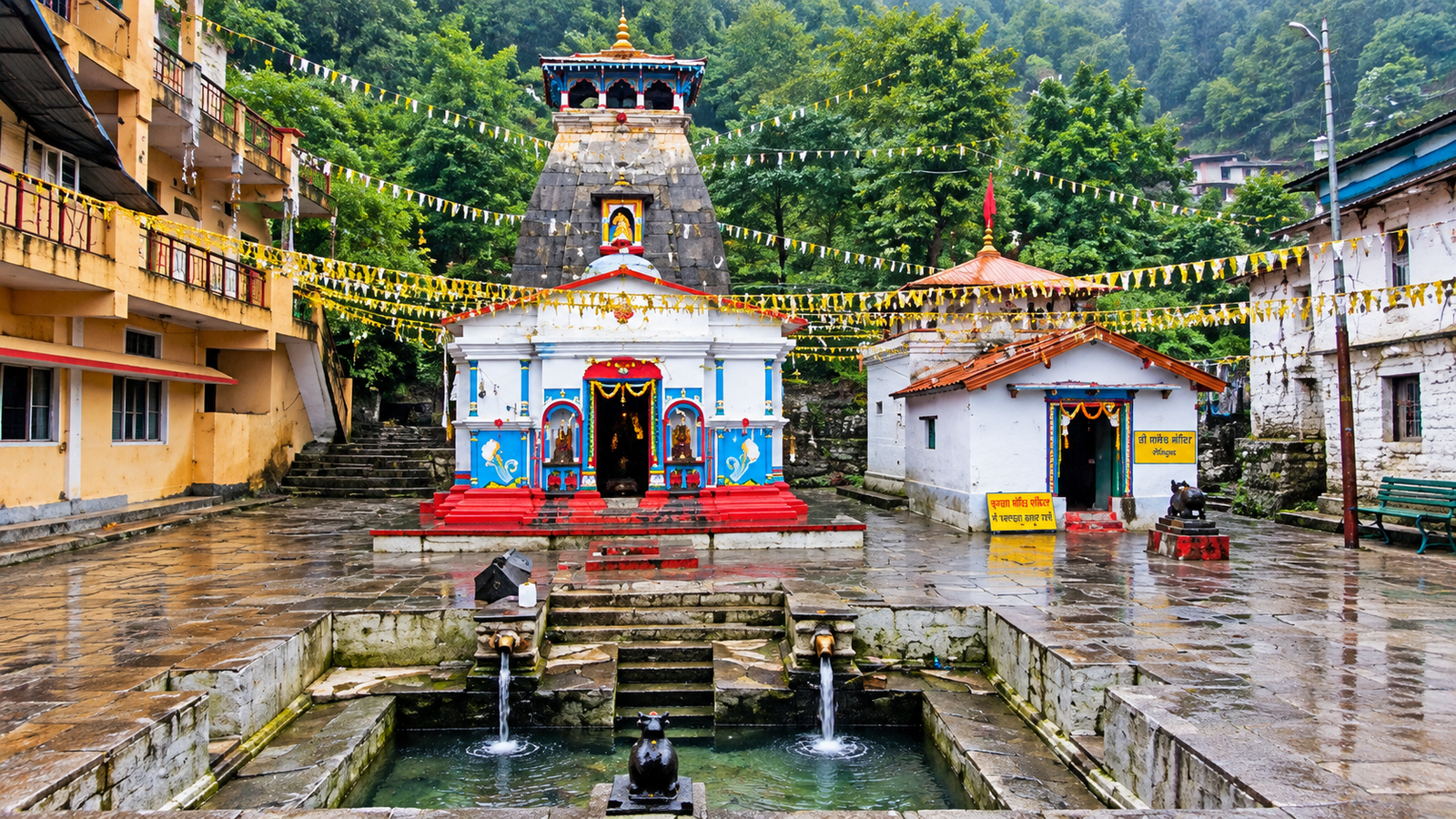
Guptkashi sits roughly midway on the route to Kedarnath and is worth a stopover rather than a quick drive-through. The town is home to the Vishwanath Temple and the Ardhanarishwara Temple, both significant stops for pilgrims, and the name itself meaning “hidden Kashi” comes from the belief that Lord Shiva hid here to avoid the Pandavas, mirroring the mythology tied to Varanasi.
Guptkashi also tends to have better accommodation and food options than the smaller towns further up the route, which makes it a sensible place to break your journey and rest before the more demanding stretch ahead.
Good to know: If you’re travelling with elderly family members or young children, staying overnight in Guptkashi rather than pushing straight to Gaurikund makes the whole trip noticeably easier.
7. Ukhimath
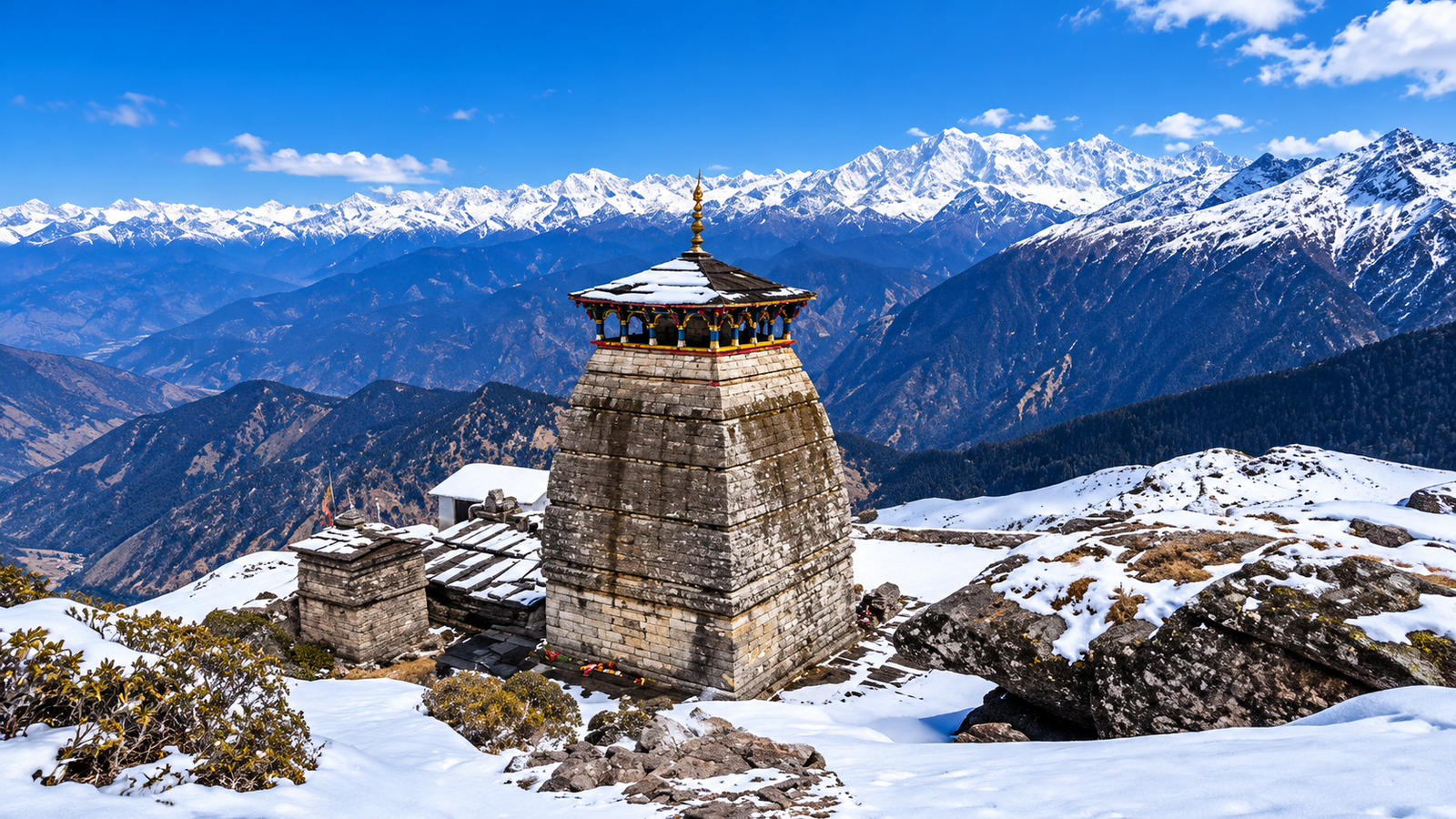
Ukhimath rarely makes it onto a first-time visitor’s itinerary, but it holds a role that few other places on this route can claim: it’s the winter home of Lord Kedarnath. When the main temple closes for the season due to heavy snowfall, the deity is ceremonially moved here, to the Omkareshwar Temple, where worship continues uninterrupted through the winter months.
Visiting Ukhimath gives you a different, quieter side of the Kedarnath story the part that continues even when the mountains are closed off. The town itself is peaceful, surrounded by forested hills, and makes for a good stop if you’re travelling in the shoulder season or simply want to understand the fuller picture of how this pilgrimage tradition works year-round.
Good to know: Ukhimath is a slight detour off the main Kedarnath route, so it’s best planned as a deliberate stop rather than an afterthought.
Planning Your Time Around These Stops
Realistically, you’re not going to fit all seven of these into a single trip alongside your main temple darshan and you don’t need to. A sensible way to think about it:
- Short on time? Bhairavnath Temple and Gandhi Sarovar are both doable as extensions of your main Kedarnath visit, without adding an extra day
- Have an extra day? Add Vasuki Tal if you’re reasonably fit, or use the day to properly explore Triyuginarayan and Sonprayag on your way up or down
- Travelling with family or in a larger group? Guptkashi and Ukhimath are easier, low-effort stops that add meaning to the trip without demanding much physically
The temple is, understandably, the heart of the Kedarnath Yatra. But the valley around it has its own quieter stories a lake where Vishnu is said to have bathed, a flame that’s supposedly burned for centuries, a town that keeps the deity company through the winter. None of these places compete with the temple; they add to it.
If you’re building your itinerary and want help figuring out which of these stops actually fit your timeline, fitness level, and travel dates, we’re happy to help you plan it properly.
Planning your Kedarnath trip? Visit Trekomania Adventures to enquire about Kedarnath packages and get expert help putting your itinerary together.